

Mathieu Desbrun brings objects to life
Having recently joined the Inria centre in Saclay, Mathieu Desbrun, a graduate of Grenoble INP - Ensimag, has been recognised by the Association for Computing Machinery for his contribution to computer science.
Having recently joined the Inria centre in Saclay, Mathieu Desbrun, a graduate of Grenoble INP - Ensimag, has been recognised by the Association for Computing Machinery for his contribution to computer science.
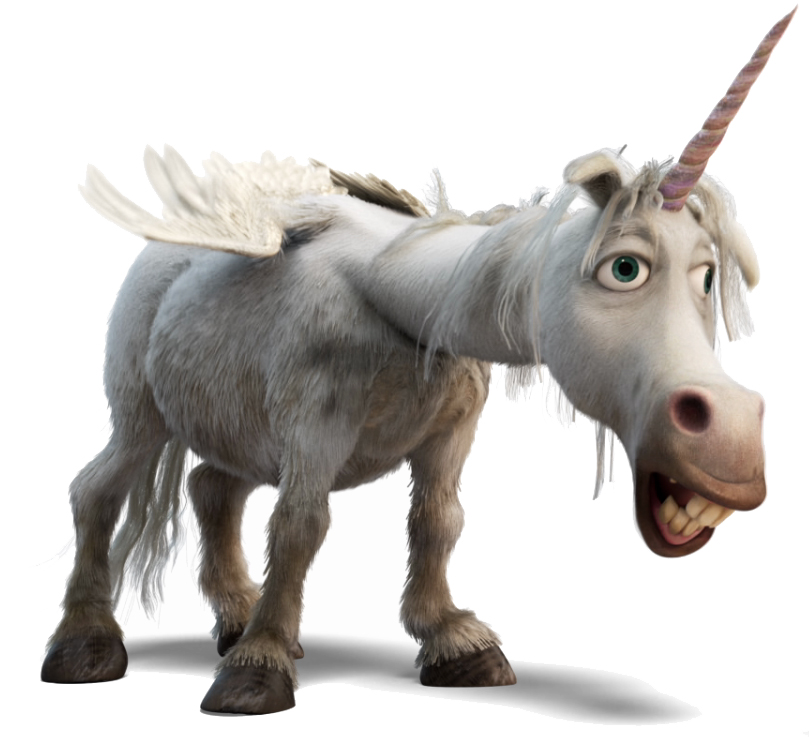
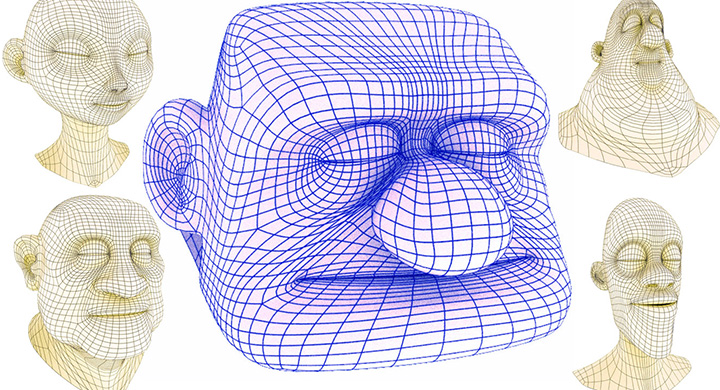
What is the purpose of his research? “To describe and animate virtual objects in time according to their environment,” he summarises. “There is a whole market that needs to render realistic animations with the least amount of computing time. For a film, we need to produce 60 images per second, for 1 hour 30 minutes!” The art of the computer scientist is to find a way to make these calculations as quickly as possible to generate the objects, animate them and obtain a natural visual rendering. To do this, Mathieu Desbrun relies on discrete differential geometry, which allows him to numerically reproduce the fundamental equations that model the world around us.
Beyond film, this research is useful in many other areas. “For example, we can provide tools for car designers to test the influence of a car's shape on its aerodynamics in real time,” explains the researcher. “Or to simulate the influence of helicopter blade design on noise and lift in real time. Or to model certain organs of the human body and the blood system.” Back in France, Mathieu Desbrun - on indefinite leave from Caltech - has just joined the Inria Saclay - Île-de-France centre as an advanced researcher, and the LIX (École Polytechnique's computer science laboratory) as a teacher.